
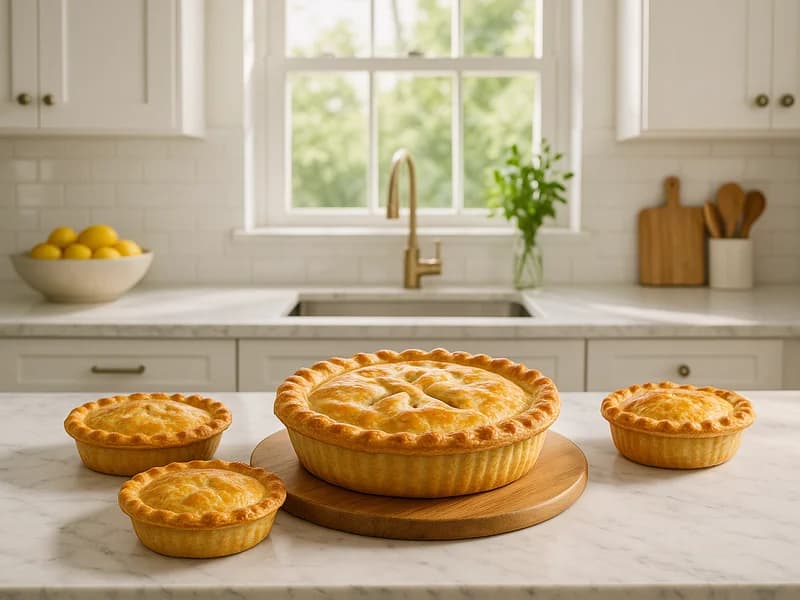
Starting an online baked goods business from your home kitchen is more achievable than ever. With the right knowledge about cottage food laws and a solid online presence, you can turn your passion for baking into a profitable side hustle or full-time business.
Who This Guide Is For
This guide is perfect for:
- Home bakers ready to start selling their creations legally
- Cottage food entrepreneurs looking to expand from farmers markets to online sales
- Hobbyist bakers exploring whether they can turn their passion into profit
- Anyone curious about the legal requirements for selling homemade food
If you're already selling at farmers markets and want to add an online component, skip ahead to the Setting Up Your Online Store section.
Understanding Cottage Food Laws
Before you start selling, you need to understand your state's cottage food laws. These laws determine:
- What foods you can sell (usually non-perishable baked goods)
- Where you can sell (in-person, online, across state lines)
- How much you can earn (annual revenue caps vary by state)
- What permits or licenses you need
- Labeling requirements for your products
Important: Cottage food laws vary significantly by state. What's legal in California may not be legal in Texas. Always verify the current rules for your specific state.
Common Allowed Products
Most states allow cottage food operators to sell:
- Cookies and brownies
- Breads and rolls
- Cakes (without cream-based frosting)
- Muffins and scones
- Granola and dry mixes
- Candy and chocolate (in some states)
Products Usually NOT Allowed
These typically require a commercial kitchen:
- Anything requiring refrigeration
- Cream-filled pastries
- Cheesecake
- Most pies with dairy-based fillings
- Foods containing meat
Setting Up Your Online Store
Once you understand your legal requirements, it's time to set up your online presence. You have several options:
Option 1: Social Media Only
The simplest approach is selling directly through Instagram or Facebook. Customers DM you orders, and you handle payment through Venmo, PayPal, or cash at pickup.
Pros: Free, no technical setup Cons: Hard to manage orders, no professional appearance, limited growth
Option 2: Marketplace Platforms
Sites like Etsy allow you to list baked goods (where legal). You pay fees per listing and per sale.
Pros: Built-in audience, easy setup Cons: Fees eat into profits, less control over branding
Option 3: Your Own Website
A dedicated website for your bakery gives you the most control and professionalism.
Pros: Professional appearance, own your customer relationships, no per-sale fees Cons: Requires setup time, monthly costs
Option 4: Cottage Food-Specific Platforms
Platforms like Batch52 are designed specifically for cottage food businesses. They understand the unique needs of home bakers:
- Order forms that work for custom products
- Pickup scheduling for local delivery
- Labeling tools that meet state requirements
- Built-in order management
Pricing Your Baked Goods
Many new bakers underprice their products. Here's a simple formula:
Ingredient Cost × 3 = Minimum Price
This accounts for:
- Ingredients
- Your time
- Overhead (utilities, packaging)
- Profit
For custom or specialty items, multiply by 4 or more.
Example Pricing
| Product | Ingredient Cost | Minimum Price |
|---|---|---|
| Dozen Cookies | $4 | $12 |
| 9" Layer Cake | $15 | $45-60 |
| Loaf of Bread | $3 | $9-12 |
Want exact numbers? Try our free Recipe Cost Calculator — just snap a photo of your recipe or paste your ingredients and get a detailed cost breakdown in seconds.
Common Mistakes to Avoid
1. Not Checking Your State's Laws
Operating illegally can result in fines, being shut down, or worse. Spend time researching before you start.
2. Underpricing
You're selling a premium, handmade product. Price accordingly or you'll burn out.
3. Taking On Too Many Orders
Start small and scale up. It's better to sell out than to deliver subpar products.
4. Ignoring Labeling Requirements
Most states require specific information on labels. Non-compliance can get you in trouble.
5. Not Having a Professional Online Presence
Customers expect a website or at least a professional social media page. First impressions matter.
A Google Business Profile puts you on Maps for people who have never heard of you. Google has no home bakery category and the form wants your street address, so read how to set up a Google Business Profile for a home bakery before you fill it in.
Getting Your First Customers
Start with Your Network
Tell friends, family, and coworkers. Word of mouth is powerful for local food businesses.
Farmers Markets
Even if you plan to focus on online sales, farmers markets are great for:
- Building a customer base
- Getting feedback on products
- Growing your email list
Social Media
Post consistently. Show your process, your products, and happy customers (with permission).
Local Community Groups
Facebook groups for your neighborhood or town can be excellent sources of customers.
How Batch52 Helps
Batch52 is built specifically for cottage food entrepreneurs. Here's what it offers:
- Quick Setup: Create a professional website in minutes, no coding required
- Order Management: Keep track of all your orders in one place
- Pickup Scheduling: Let customers choose convenient pickup times
- Label Generation: Create compliant labels with required cottage food statements
- Mobile-Friendly: Manage your business from your phone
Frequently Asked Questions
Do I need a business license to sell baked goods from home?
It depends on your state. Many states allow cottage food sales without a business license, but some require registration. Check your state's specific requirements.
Can I ship baked goods across state lines?
Generally, no. Cottage food laws typically only cover in-state sales. Shipping across state lines may trigger federal regulations.
How much can I earn selling cottage food?
Revenue caps vary by state, from $25,000 to unlimited. Many successful cottage food operators earn $30,000-$50,000 annually.
Do I need insurance to sell baked goods?
While not always legally required, liability insurance is highly recommended. It protects you if a customer has an allergic reaction or other issue.
Can I use my regular home kitchen?
Yes! That's the point of cottage food laws. Most states don't require a separate commercial kitchen, though some have specific requirements about pets, cleanliness, etc.
Next Steps
Ready to start your home bakery business?
- Research your state's cottage food laws — Check our state-by-state guide
- Plan your menu — Start with 3-5 products you make well
- Calculate your pricing — Use the formula above
- Set up your online presence — Create your Batch52 site
- Start selling! — Begin with friends and family
Your dream of selling your baked goods is achievable. Take it one step at a time, and you'll be running a thriving cottage food business before you know it.